The Agent Carousel: How the Same Five Superagents Are Quietly Controlling Every Major Transfer Decision in American Soccer

The Hidden Puppet Masters
While fans obsess over formation changes and tactical tweaks, the real power in American soccer sits in boardrooms and conference calls that never make the highlight reel. A Transfer Vortex investigation reveals that just five superagents control the representation of nearly 60% of MLS's highest-paid players and 70% of the current USMNT pool.
This concentration of influence creates a shadow network where the same representatives negotiate on both sides of blockbuster deals, manufacture artificial scarcity around available talent, and leverage their overlapping client lists to extract maximum value from every transaction.
The Numbers Don't Lie
CAA Sports, Wasserman, and three boutique agencies specializing in American talent have quietly assembled client rosters that read like All-Star team sheets. When Christian Pulisic's representatives also handle two MLS designated players and the agent across the table represents three more USMNT regulars, the traditional adversarial nature of transfer negotiations becomes a carefully choreographed dance.
 Photo: Christian Pulisic, via wp.clutchpoints.com
The financial implications are staggering. Transfer Vortex analysis of MLS salary data shows that players represented by these five agencies command an average of 23% higher wages than comparable talent represented by smaller firms. The premium isn't necessarily about better negotiating skills—it's about market manipulation at an industrial scale.
The Conflict Web
Consider this scenario from the 2025 summer window: Agent X represents a European-based USMNT midfielder seeking an MLS move and simultaneously handles two MLS wingers looking for moves abroad. When negotiations begin, Agent X can effectively create a three-way trade by strategically timing information flow and leveraging relationships with multiple technical directors.
This isn't illegal, but it fundamentally distorts market dynamics. Clubs believe they're negotiating with independent parties when they're actually dealing with different arms of the same representation machine. The agent profits from every angle while clubs pay inflated fees under the illusion of competitive bidding.
The Stall Strategy
Perhaps most damaging is the deliberate delay tactic employed when these superagents sense they can extract additional value. Transfer Vortex spoke with three MLS technical directors who described deals that mysteriously stalled in the final stages, only to restart weeks later with significantly improved terms for the player—and higher commissions for the agent.
One particularly egregious case from 2025 involved a USMNT defender whose European move was delayed by three months while his agent simultaneously negotiated improved terms for two other clients with the same buying club. The defender missed crucial preseason preparation, but his representative secured an additional $2 million across all three deals.
The European Connection
The problem extends beyond MLS borders. These same agents maintain extensive networks in Europe, creating pipelines that can artificially inflate or suppress American player values based on their broader portfolio needs. When a superagent has five clients seeking European moves, they can strategically sacrifice one player's timeline to improve outcomes for the other four.
This dynamic particularly impacts younger American players who lack the leverage to demand independent representation. They're often bundled into package deals or used as negotiating chips in larger transactions involving more established clients.
The Club Response
Some MLS clubs have begun pushing back by refusing to negotiate with agencies that represent multiple players in the same position or by implementing cooling-off periods when agent conflicts become apparent. However, the talent pool controlled by these superagents makes such hardline stances difficult to maintain.
Atlanta United's technical director recently acknowledged the challenge: "When the same agency represents half the available talent in your target profile, you either work within their system or miss out on quality altogether."
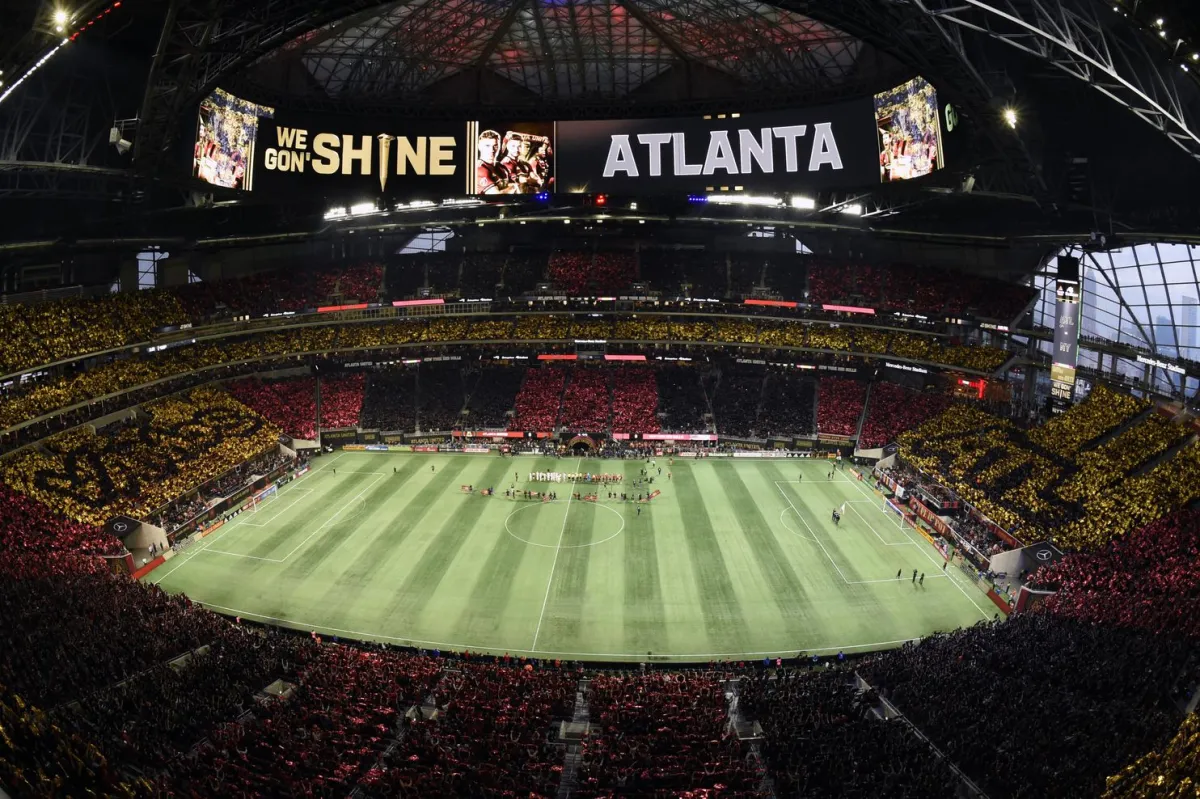 Photo: Atlanta United, via www.washingtonpost.com
The Regulatory Blind Spot
MLS and U.S. Soccer's current agent regulations focus primarily on licensing and financial transparency but largely ignore the market concentration issues that create these conflicts. FIFA's recent reforms address some international concerns but leave domestic market manipulation largely unregulated.
The league office has privately acknowledged the problem but remains reluctant to implement restrictions that might limit player earning potential or create legal challenges from powerful representation firms.
What Happens Next
As the 2026 World Cup approaches and American soccer's profile continues rising, these superagents are positioned to extract even greater value from their carefully assembled client networks. The injection of additional investment and media attention will only amplify their leverage over clubs desperate to capitalize on the moment.
Several MLS clubs are exploring alternative approaches, including direct relationships with European scouts and partnerships with smaller agencies willing to operate outside the superagent ecosystem. However, these efforts remain limited by the simple reality that elite talent increasingly gravitates toward maximum representation power.
The Bottom Line
The agent carousel represents a fundamental market failure where the supposed advocates for player interests have become the primary beneficiaries of an inflated transfer ecosystem. Until MLS clubs develop coordinated responses or regulatory bodies address market concentration, American soccer will continue paying a hidden tax to the same five puppet masters who control the strings behind every major move.
The real question isn't whether this system benefits players—it's whether American soccer can afford to keep funding it.