The Gentleman's Veto: How MLS Coaches Are Secretly Blacklisting Transfer Targets Behind the Front Office's Back
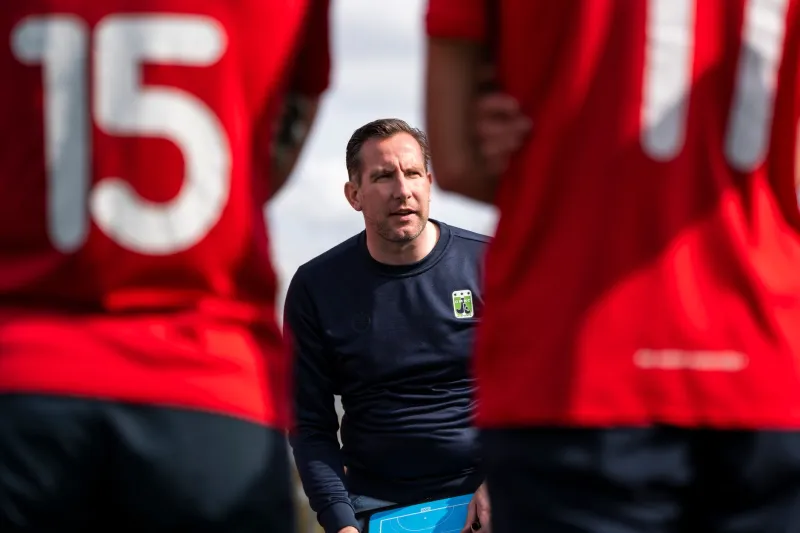
The Hidden War in MLS Front Offices
In the sterile conference rooms of MLS headquarters, a quiet revolution is taking place. Technical directors armed with data analytics and scouting networks are increasingly clashing with head coaches who prefer the old-school approach of trusting their gut over spreadsheets. The result? A shadow system where coaches are effectively vetoing transfer targets after they've already been approved, signed, and sometimes even announced.
Sources across multiple MLS clubs describe a growing pattern of passive resistance that's costing the league tens of millions in wasted transfer spend. The 2026 World Cup has only intensified the pressure, with technical directors desperate to sign international talent while coaches remain skeptical of players they never wanted in the first place.
"It's like having two different teams running the same club," says one former MLS technical director who spoke on condition of anonymity. "The TD signs a player based on data and potential, the coach sees someone who doesn't fit his system, and suddenly that $3 million signing is riding the bench for six months."
The Mechanics of Roster Sabotage
The gentleman's veto operates in subtle ways that rarely make headlines. A coach might publicly welcome a new signing while privately ensuring they never see meaningful minutes. Training sessions become auditions designed to fail. Tactical systems mysteriously shift to exclude the player's strongest attributes. Press conferences feature diplomatic praise that translates to career stagnation.
One particularly egregious case involved a Western Conference club that signed a highly-rated South American midfielder for $4.2 million in early 2026. Despite the player's impressive resume and the technical director's enthusiasm, the head coach reportedly told staff he "didn't see where the player fit" in his preferred 4-2-3-1 formation. The midfielder started just three games in his first four months, eventually requesting a loan move back to his home country.
"The coach never said he didn't want him," explains a club insider. "But he made it clear through actions that this wasn't his guy. Meanwhile, the front office is trying to figure out how to recoup a seven-figure investment."
The World Cup Factor
The 2026 World Cup on home soil has created unprecedented pressure for MLS clubs to sign international talent quickly. Technical directors, many with European backgrounds, are pushing for signings that can raise the league's profile globally. Coaches, facing the immediate pressure of results, are more concerned with players who can contribute immediately to their specific tactical approach.
This disconnect has become particularly pronounced with South American signings, where technical directors see untapped potential and coaches see adaptation risks. Multiple sources describe heated discussions behind closed doors where coaches question why certain players were signed without their explicit approval.
"The World Cup changed everything," says one current MLS head coach who requested anonymity. "Suddenly everyone wants to sign the next big thing from Argentina or Colombia, but they're not asking if that player actually fits what we're trying to do on the field."
The Financial Fallout
The hidden cost of these internal wars extends far beyond individual transfer fees. When high-profile signings fail to integrate, it damages the club's reputation with agents and selling clubs. Future negotiations become more difficult, with international representatives questioning whether MLS clubs can properly develop and utilize their clients.
One Eastern Conference technical director estimates that poor coach-player relationships have cost his club approximately $8 million in depreciated asset value over the past 18 months. "We sign a player for $3 million, he barely plays for a year, and suddenly his market value is $800,000," he explains. "That's not just bad business—it's institutionalized waste."
The problem is compounded by MLS's salary budget restrictions, which mean every failed signing represents a significant opportunity cost. When a Designated Player slot is occupied by someone the coach won't use, it prevents the club from pursuing alternatives who might actually contribute.
Power Structures and Accountability
The root of the problem lies in MLS's evolving power structures. Many clubs hired technical directors from European backgrounds who are accustomed to having final say over transfers. However, American sports culture traditionally gives head coaches significant input on roster construction, creating an inevitable clash of expectations.
"In Europe, the sporting director signs the players and the coach works with what he gets," explains one former Premier League executive now working in MLS. "In America, coaches expect to have a say. When you mix those cultures without clear lines of authority, you get chaos."
Some clubs have attempted to solve this by requiring coaches to sign off on all transfers before completion. However, sources suggest this often leads to coaches agreeing publicly while maintaining private reservations, setting up the same dynamic of post-signing resistance.
The Compliance Question
MLS league office officials acknowledge they're aware of the tensions but maintain that roster decisions remain internal club matters. However, the league's competitive balance initiatives could be undermined if some clubs are effectively operating with reduced roster flexibility due to internal dysfunction.
"We can't force coaches to play specific players," says one league official. "But we're definitely concerned when significant investments aren't translating to on-field improvements across the league."
Looking Forward
As MLS continues its push toward global relevance, the cost of internal roster wars may become unsustainable. Several clubs are reportedly considering structural changes that would give either technical directors or head coaches clear authority over transfer decisions, ending the current system of shared responsibility that often leads to shared failure.
The 2026 World Cup represents a unique opportunity for MLS to showcase its talent acquisition capabilities on the global stage. Whether the league can resolve its internal power struggles before that moment arrives may determine not just individual club success, but the trajectory of American soccer's international reputation.
For now, the gentleman's veto continues to operate in the shadows, turning what should be exciting roster additions into expensive lessons about the importance of organizational alignment.