The Golden Moment That Changes Everything
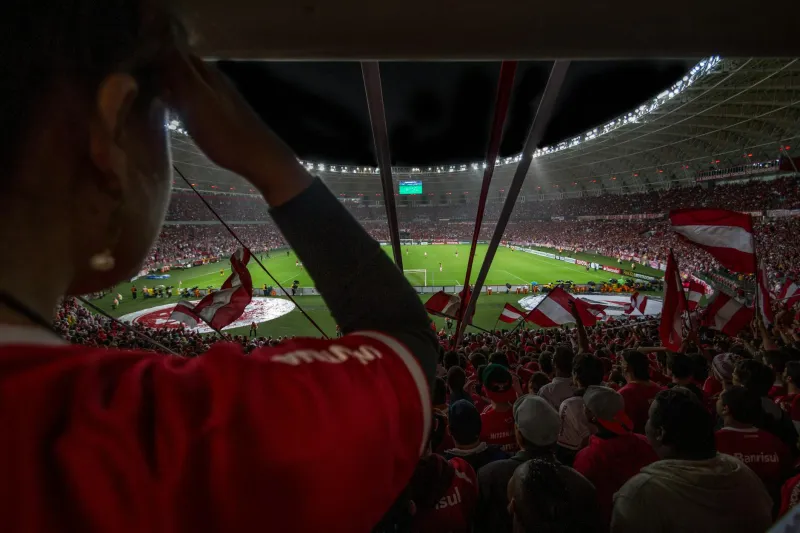
The final whistle of the 2026 World Cup will mark more than the end of football's greatest tournament on American soil. It will trigger what industry insiders are calling the most significant transfer opportunity in Major League Soccer history — a perfect storm of emotional connection, financial firepower, and aging superstars ready to chase one final payday in the country that just delivered the most memorable World Cup ever.
From the packed stands of MetLife Stadium to the sun-soaked pitches of Los Angeles, international players who experienced the tournament's unique American energy are already whispering about post-World Cup moves. The question isn't whether this influx will happen — it's whether MLS clubs are prepared to capitalize on it intelligently.
The Emotional Economics of Post-Tournament Transfers
World Cups create emotional attachments that transcend traditional transfer logic. Players who might have dismissed MLS as a retirement league suddenly find themselves enchanted by American crowds, infrastructure, and lifestyle. The 2026 tournament's success has already shifted perceptions among agents and players who previously viewed MLS moves as career endings rather than new chapters.
Sources close to several European clubs indicate that veteran players — particularly those aged 30-34 — are actively exploring MLS options for the first time. The combination of America's World Cup hospitality, competitive salaries that now rival mid-tier European leagues, and the lifestyle appeal of cities like Miami, Los Angeles, and Austin is proving irresistible.
"The 2026 World Cup changed how players view America," explains one prominent agent who represents multiple international stars. "It's no longer about going to MLS to wind down. It's about joining something that feels genuinely exciting."
The Prime Candidates: Europe's Restless Stars
The most likely candidates for post-World Cup MLS moves share common characteristics: established international careers, contracts expiring in 2026-2027, and positive experiences during the tournament. Think players in the Gareth Bale mold — still capable of brilliance but seeking new challenges outside Europe's pressure cooker.
Several Premier League veterans who impressed during the World Cup are reportedly considering MLS options, particularly those whose clubs are planning squad overhauls. Serie A and La Liga players who experienced American fan culture firsthand are also expressing interest through intermediaries.
The South American angle is equally compelling. Players who grew up dreaming of World Cup glory in the United States now see MLS as a pathway to remain connected to that dream while earning substantial wages. The league's improved infrastructure and growing reputation for developing young talent makes it an attractive option for experienced players seeking meaningful roles.
The Financial Reality Check
MLS clubs are sitting on unprecedented financial firepower heading into the post-World Cup window. Designated Player slots, increased salary caps, and ownership groups flush with World Cup profits create a perfect environment for big-money signings. However, the league's history of expensive mistakes looms large.
The key difference in 2026 is targeting players at the right career stage. Rather than pursuing 36-year-old superstars seeking final paydays, smart MLS clubs are focusing on 30-32 year old players who can contribute meaningfully for 3-4 seasons. This represents a fundamental shift in recruitment philosophy.
Salary expectations remain the biggest hurdle. European stars accustomed to €8-12 million annual wages must adjust to MLS realities, even with Designated Player premiums. The most successful moves will involve players prioritizing lifestyle and legacy over maximum earnings.
League-Building or Legacy Tourism?
The critical question facing MLS is whether this post-World Cup influx represents genuine league development or expensive nostalgia tourism. Historical precedent suggests mixed results — for every successful Carlos Vela, there's a cautionary tale of big names who failed to adapt to MLS's unique demands.
The league's infrastructure improvements since 2022 suggest better outcomes are possible. Modern training facilities, improved travel conditions, and more sophisticated tactical approaches create an environment where established stars can thrive rather than merely exist.
Younger MLS coaches, many with European experience, are better equipped to maximize veteran talent while maintaining team balance. The league's evolution from star vehicle to genuine competitive environment benefits everyone involved.
The Domino Effect: What Success Looks Like
Successful post-World Cup signings could trigger a virtuous cycle that elevates MLS's global standing permanently. International stars who thrive in America become ambassadors for the league, attracting additional talent and investment. The 2026 World Cup provides the emotional foundation, but sustained success requires intelligent execution.
The ripple effects extend beyond individual signings. Successful veteran additions mentor young American players, improve training standards, and attract media attention that benefits the entire league. The key is avoiding the boom-bust cycle that has plagued previous MLS spending sprees.
The Verdict: Calculated Risk Worth Taking
The post-2026 World Cup transfer window represents MLS's best opportunity to attract meaningful international talent while those players remain emotionally connected to American soccer. The league's improved infrastructure and financial resources create conditions for success that didn't exist during previous recruitment cycles.
However, success depends entirely on execution — targeting the right players at the right career stage with realistic expectations and proper support systems. Done correctly, this wave of signings could mark the moment MLS truly joined the global elite; done poorly, it becomes another expensive lesson in transfer market reality.
The World Cup's emotional impact created the opportunity — now MLS must prove it has the wisdom to capitalize on it intelligently.