
In the hyperactive transfer ecosystem of 2026, loyalty has become a luxury that fewer players can afford. While fans celebrate stories of one-club legends, the harsh financial reality is that staying put has evolved into the most expensive career decision a modern footballer can make.
The Loyalty Penalty in Numbers
Consider the tale of two players: one stays loyal to his club, extending his contract out of love for the badge. The other pushes for a move every two years, leveraging interest from bigger clubs. By age 28, the loyal player is earning $3 million annually. His opportunistic counterpart? $8 million per year at a Champions League club, despite arguably inferior talent.
This isn't speculation — it's the new reality of football economics. Transfer activity has become the primary driver of wage inflation, creating a system where movement equals money, and stability equals stagnation.
The data is stark. Players who have changed clubs at least twice in the last four years earn an average of 73% more than their peers who remained at the same club during that period. For American players navigating European football ahead of the 2026 World Cup, this loyalty penalty carries extra weight.
 Photo: 2026 World Cup, via stadiumdb.com
The USMNT Dilemma
Take Christian Pulisic's career trajectory as a cautionary tale. After his move from Chelsea to AC Milan, his market value and earning potential skyrocketed despite mixed performances at Stamford Bridge. Meanwhile, players who stayed loyal to clubs that initially gave them chances often find themselves watching from the sidelines as the transfer carousel spins past them.
 Photo: AC Milan, via www.footballkitarchive.com
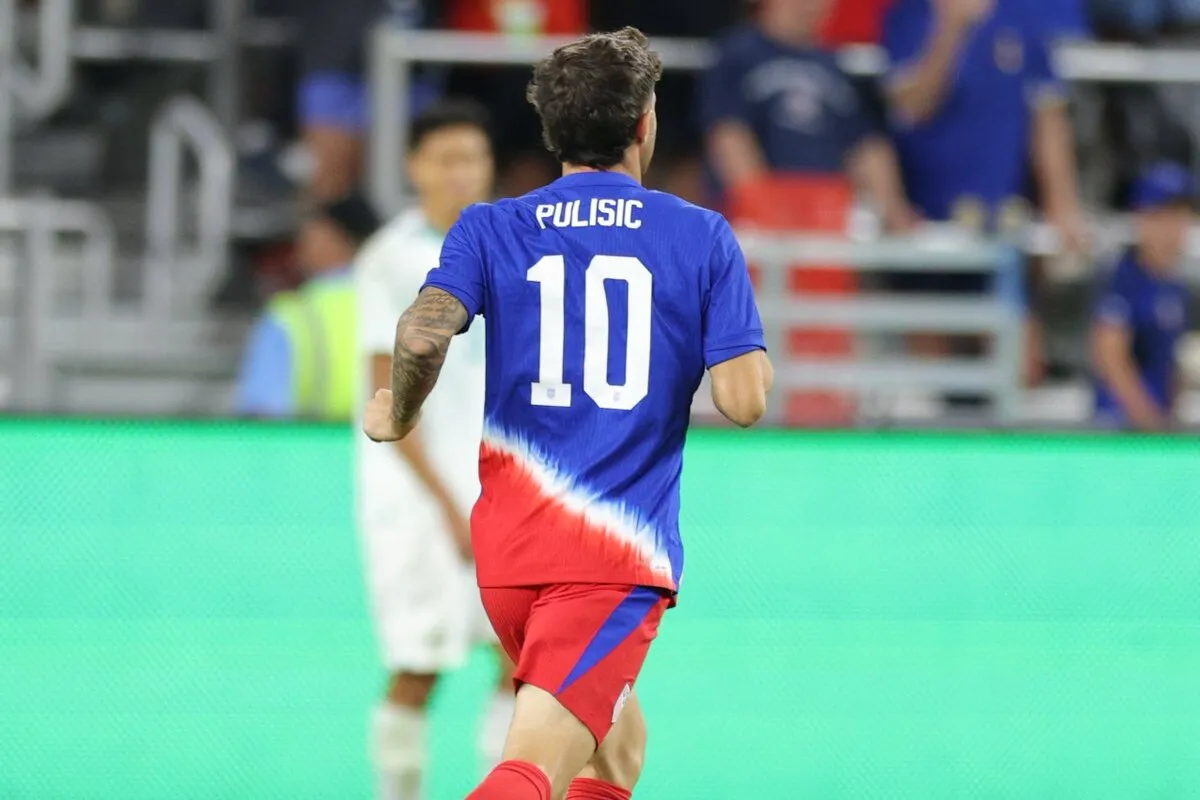 Photo: Christian Pulisic, via icdn.football-italia.net
Weston McKennie's journey from Schalke to Juventus to Leeds illustrates the opposite approach — constant movement that has kept his stock high and his options open. Each transfer, regardless of on-field success, has maintained his relevance in the global marketplace.
For emerging USMNT talents like Folarin Balogun or Ricardo Pepi, the lesson is clear: loyalty to your first major European club could be career suicide. The transfer market rewards ambition and movement over sentiment and stability.
The Agent Revolution
Player agents have become the architects of this loyalty-punishing system. They understand that a player's value peaks not during periods of stability, but during periods of speculation. Every rumored move, every "monitoring situation," every leaked contract dispute serves to elevate a player's perceived market worth.
The most successful agents now actively manufacture transfer interest for their clients, even when the player is happy at their current club. They've learned that happiness without movement equals financial stagnation.
This has created a perverse incentive structure where agents actively discourage long-term thinking. Why sign a five-year deal when a shorter contract keeps you in the transfer conversation? Why publicly commit to a club when ambiguity keeps other suitors interested?
The Psychological Cost
The loyalty trap extends beyond pure finances. Players who stay too long at one club often find themselves typecast, their abilities defined by a single tactical system or league style. Meanwhile, their more nomadic peers accumulate diverse experiences that make them more attractive to international coaches and global brands.
For American players, this psychological element carries additional weight. European clubs still harbor doubts about USMNT players' ceiling, making it crucial for Americans to constantly prove themselves in new environments. Staying loyal to one club can reinforce stereotypes about American players lacking ambition or adaptability.
The Contract Leverage Game
Perhaps most damaging is how loyalty destroys contract leverage. When a player publicly commits to staying, clubs lose incentive to offer competitive renewals. They know the player won't leave, so why match external offers?
Conversely, players who maintain transfer speculation enjoy tremendous leverage in contract negotiations. Clubs must compete not just with the player's current situation, but with the perceived threat of losing them to rivals.
This dynamic has created a generation of players who view loyalty as a negotiating weakness rather than a virtue. The most successful careers are built on strategic ambiguity, not emotional attachment.
The World Cup Window
With the 2026 World Cup approaching, American players face a unique loyalty dilemma. Staying at a comfortable European club might provide stability, but it could also mean missing the career-defining exposure that comes with high-profile transfers.
The World Cup represents a once-in-a-generation opportunity for USMNT players to showcase their abilities on home soil. But only those who have maintained their market relevance through strategic movement will be positioned to capitalize on that spotlight.
Breaking the Loyalty Trap
Smart players and their representatives are learning to game this system. They manufacture transfer interest during contract years, use media speculation as leverage, and view loyalty as a tactic rather than a philosophy.
The most successful American players abroad have mastered this delicate balance — showing enough commitment to earn playing time while maintaining enough ambiguity to preserve their market value.
The Future of Football Loyalty
As transfer fees continue to explode and player power reaches new heights, the loyalty trap will only deepen. Clubs are adapting by building shorter-term relationships with players, viewing them as assets to be optimized rather than family members to be cherished.
For American soccer's next generation, the message is clear: loyalty without leverage is a career killer. In the transfer vortex of modern football, movement isn't just opportunity — it's survival.
The loyalty trap represents the final evolution of football's transformation from sport to business, where emotional attachment has become the most expensive luxury a player can afford.