
In the shadowy corners of MLS front offices, a quiet revolution is taking place. While European giants splash hundreds of millions on marquee signings, American soccer's most astute operators are playing a different game entirely — one where the biggest risks are eliminated before the first dollar changes hands.
The New Economics of Talent Evaluation
The traditional transfer model demands clubs commit massive resources based on incomplete information. A player's highlight reel, statistical output, and scouting reports can only reveal so much about how they'll adapt to MLS's unique demands: the travel, the physicality, the tactical variations across a league where coaching philosophies range from possession-based European imports to high-intensity pressing systems.
Enter the phantom loan — short-term arrangements that function less like traditional player development deals and more like extended job interviews for eight-figure decisions.
"We're essentially getting a six-month thesis defense on whether this player can handle our league," explains one Western Conference technical director, speaking on condition of anonymity. "By the time we decide whether to trigger a purchase option, we've seen them against Portland's pressing, in the altitude of Colorado, during a grueling summer stretch. That's worth more than any scouting report."
The Vortex in Action
This strategy manifests differently across MLS, but the underlying principle remains consistent: minimize risk while maximizing information gathering. Some clubs structure loans with modest option fees that become automatic if certain performance metrics are met. Others negotiate complex arrangements where loan fees can be applied toward future permanent deals.
The most sophisticated operators are even building relationships with player agents who specialize in these transitional arrangements, creating pipelines of talent willing to prove themselves in American soccer before committing long-term.
Consider the mathematics: A typical designated player signing might cost $15-20 million in transfer fees alone, before factoring in wages, housing allowances, and integration costs. A strategic loan arrangement might cost $2-3 million total while providing identical on-field evaluation opportunities.
Beyond the Balance Sheet
But this trend represents more than financial prudence — it's fundamentally altering how elite players view MLS as a career destination. Rather than seeing American soccer as a final stop or money grab, top-tier talent increasingly views strategic loans as legitimate auditions for lucrative permanent moves.
"The stigma is disappearing," notes one prominent player agent who has facilitated multiple loan-to-permanent deals. "Players see guys coming over for six months, performing well, then signing contracts that set them up for life. It's becoming a viable pathway rather than a step backward."
This shift is particularly pronounced among players in their prime years who might be rotational pieces at elite European clubs but could become franchise cornerstones in MLS. The loan pathway allows them to test American soccer without burning bridges in their home countries.
The Innovation Leaders
Certain MLS franchises have elevated this strategy to an art form. They've developed sophisticated metrics for evaluating not just on-field performance during loan spells, but integration factors: How quickly does a player adapt to American culture? Do they embrace community involvement? Can they handle the unique pressures of being a designated player in markets where soccer competes with established sports franchises?
These clubs are building competitive advantages through superior evaluation processes rather than superior spending power — a crucial distinction in a salary-cap league where resource allocation determines championship potential.
The Competitive Implications
This trend is creating a two-tier system within MLS itself. Franchises that master the phantom loan strategy can effectively "try before they buy" with world-class talent, while clubs that rely on traditional permanent signings assume significantly more risk with each major acquisition.
The implications extend beyond individual roster decisions. As more clubs adopt this approach, it could fundamentally alter the summer transfer window dynamics, with July and August becoming less about permanent signings and more about strategic loan arrangements that set up major decisions for the following year.
The World Cup Factor
The 2026 World Cup adds another layer of complexity to these calculations. Players considering MLS moves are increasingly factoring in how American soccer exposure might impact their national team prospects. A successful loan spell that leads to consistent playing time could be the difference between making a World Cup squad and watching from home.
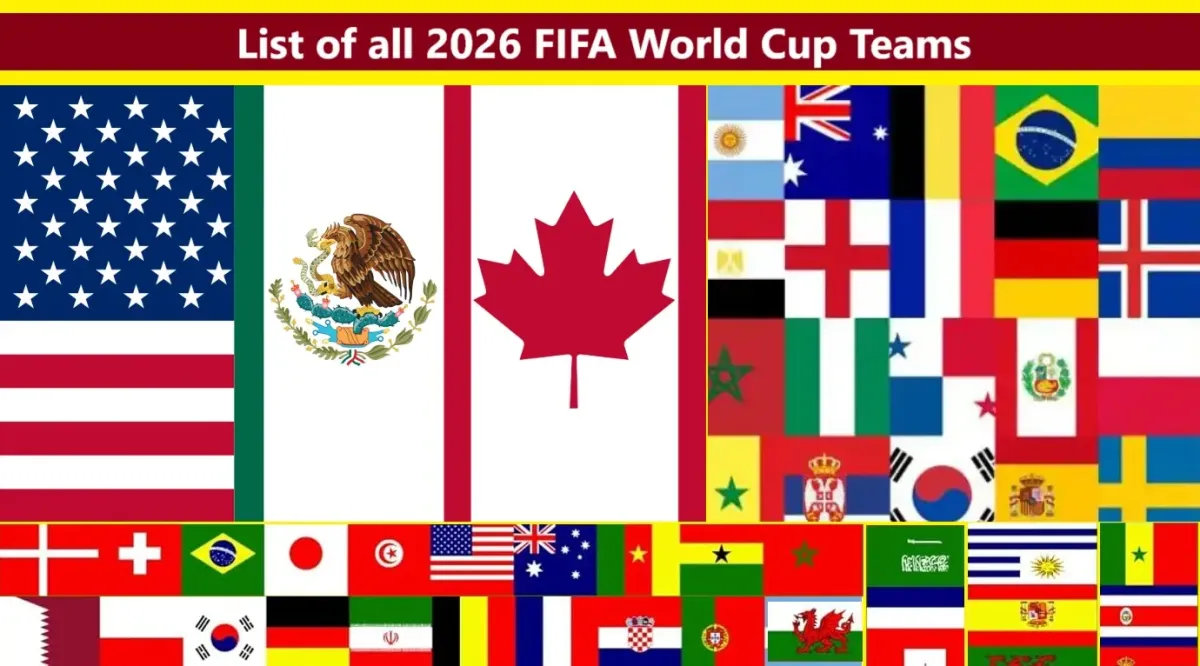 Photo: World Cup, via www.fifaworldcupnews.com
This creates a unique window of opportunity for MLS clubs to attract talent that might otherwise be unavailable, as players seek platforms to showcase their abilities ahead of the tournament.
The Long-Term Question
While the phantom loan strategy offers clear short-term advantages, its long-term impact on MLS's competitive development remains an open question. Does this approach represent genuine innovation that helps American soccer compete globally, or is it a sophisticated form of risk aversion that ultimately prevents the league from making the bold investments necessary to reach the next level?
The answer likely depends on execution. Clubs that use loan arrangements to identify and secure genuine difference-makers are building sustainable competitive advantages. Those that use them as excuses to avoid big decisions may find themselves perpetually one step behind rivals willing to take calculated risks on permanent signings.
As MLS continues its evolution into a global destination league, the phantom loan strategy represents either the future of smart roster construction or an elaborate way to avoid the big swings that separate good teams from great ones.