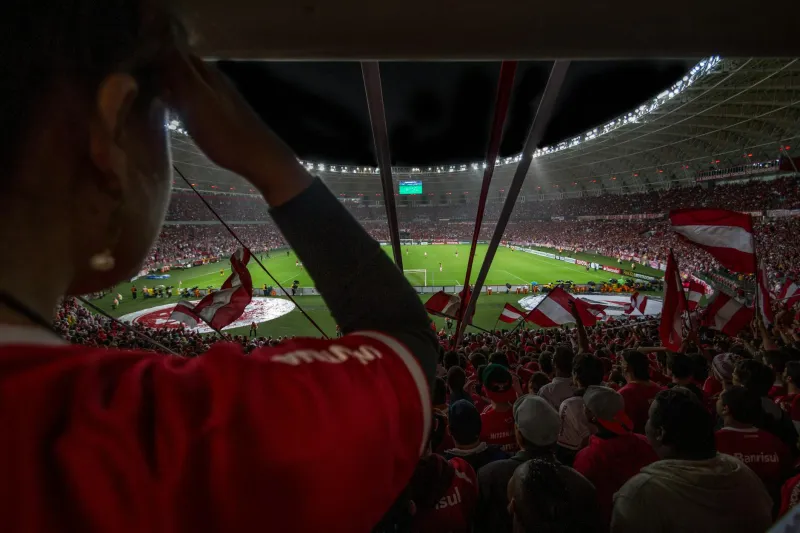
The confetti has been swept from the Rose Bowl. The last tourist buses have departed MetLife Stadium. The 2026 World Cup is officially history, but its aftershocks are still rippling through Major League Soccer in ways that most fans — and even some front office executives — never saw coming.
 Photo: MetLife Stadium, via www.dronegenuity.com
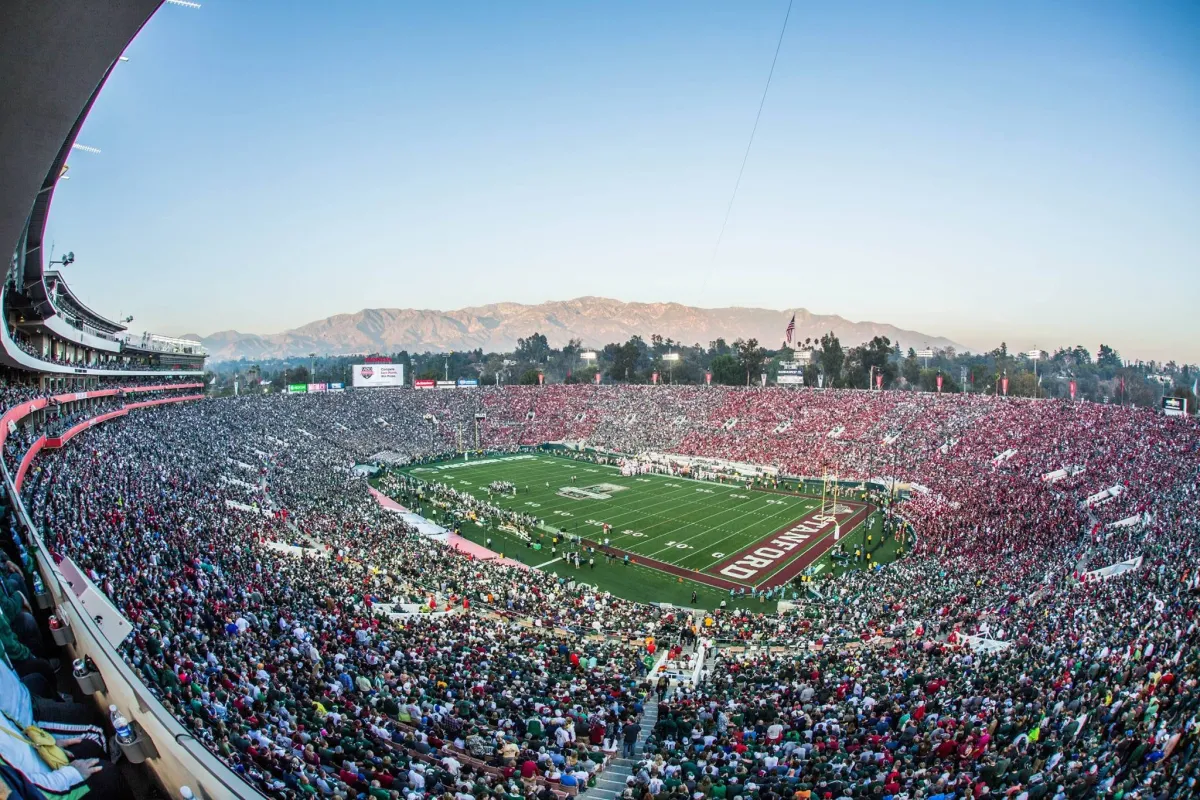 Photo: Rose Bowl, via www.discoverlosangeles.com
While the soccer world obsessed over Kylian Mbappé's record-breaking transfer to Real Madrid and England's shock World Cup triumph, a quieter revolution was unfolding across American soccer. At least seven MLS clubs, sources indicate, orchestrated what insiders are calling "tournament window deals" — short-term contracts designed to maximize commercial value during the World Cup while minimizing long-term financial exposure.
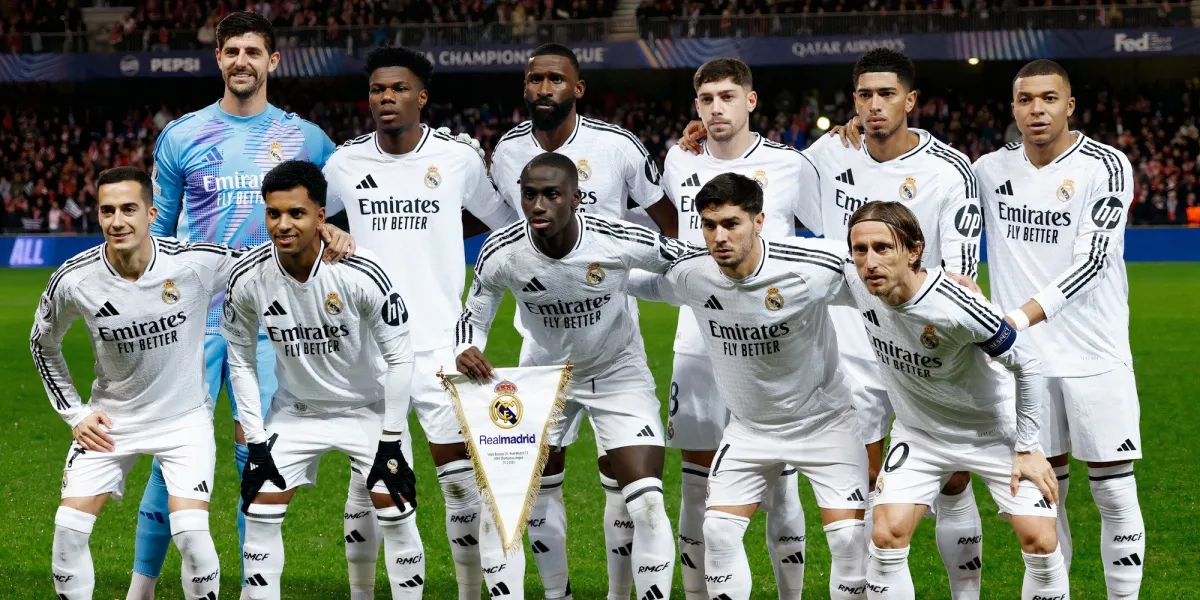 Photo: Real Madrid, via static0.givemesportimages.com
Now, six months after the final whistle in Los Angeles, these phantom signings are creating a contractual nightmare that nobody wants to discuss publicly.
The Invisible Transfer Window
The mechanism is deceptively simple. Between January and May 2026, clubs like Austin FC, Nashville SC, and Charlotte FC reportedly signed international players to contracts structured as six-month loans with multiple one-month extension clauses. On paper, these appeared to be standard short-term acquisitions designed to bolster rosters for the MLS season.
In reality, they were elaborate commercial vehicles.
"The clubs knew exactly what they were doing," explains a former MLS executive who requested anonymity. "You sign a guy who just scored for Colombia in qualifying, market the hell out of him during the World Cup when everyone's watching, then let the contract expire when the hype dies down. Maximum buzz, minimum salary cap hit."
The strategy worked brilliantly — until it didn't.
Take Austin FC's acquisition of Brazilian midfielder Lucas Paquetá on what was described as a "short-term loan" from West Ham. Paquetá's Brazil reached the World Cup semifinals, with the midfielder scoring twice and becoming a household name across America. Austin sold 15,000 additional season tickets and moved $2.3 million worth of Paquetá jerseys.
Then his contract expired in December. West Ham expected him back. Austin's fans expected him to stay. Paquetá himself, sources suggest, was never fully briefed on the temporary nature of his arrangement.
Salary Cap Sleight of Hand
The financial engineering behind these deals reveals just how creative MLS clubs have become in circumventing league regulations. By structuring contracts as short-term loans with rolling monthly extensions, clubs could spread salary cap implications across multiple seasons while maintaining the flexibility to terminate deals at any point.
"It's not technically salary cap circumvention," notes soccer finance expert Dr. Sarah Martinez from Georgetown University. "But it's certainly salary cap optimization in a way that pushes the boundaries of what the league intended."
The numbers tell the story. Charlotte FC's reported acquisition of Senegalese striker Boulaye Dia carried a $400,000 salary cap hit — far below his actual market value of $2.8 million annually. The difference was absorbed through "marketing partnerships" and "community engagement fees" that technically fell outside MLS salary regulations.
Nashville SC took an even more aggressive approach, signing three European players on identical six-month deals worth $300,000 each, with additional compensation tied to "image rights" and "promotional appearances" during the World Cup.
The Players Caught in Limbo
Six months later, the human cost of these financial innovations is becoming apparent. At least twelve international players who signed tournament window deals find themselves in contractual no-man's land, with expired MLS contracts and European clubs that have already moved on.
"Nobody explained to me this was temporary," one affected player told Transfer Vortex through his agent. "I moved my family to America, bought a house, enrolled my kids in school. Now I'm training alone while lawyers argue about paperwork."
The situation is particularly acute for players whose stock rose during the World Cup. Colombian defender Yerry Mina parlayed strong tournament performances into what he believed was a permanent move to Inter Miami, only to discover his contract contained automatic termination clauses that activated sixty days after the World Cup final.
Mina's agent, Jorge Mendes, is reportedly exploring legal action against both Inter Miami and MLS, arguing that his client was misled about the nature of his contract. Two other player representatives have filed similar complaints with FIFA.
The Domino Effect Nobody Predicted
The phantom squad strategy has created unexpected consequences throughout the soccer ecosystem. European clubs that agreed to loan players for "short-term MLS opportunities" now find themselves with unwanted assets who've tasted American soccer and don't want to return to reserve teams in England or Spain.
West Ham's Paquetá situation exemplifies the problem. The midfielder's value peaked during the World Cup, when Austin FC could have triggered a $35 million permanent transfer clause. Instead, they let his contract expire, and his market value has since dropped to $18 million as European clubs question his commitment to top-level competition.
"It's a lose-lose-lose situation," explains transfer market analyst Ben Jacobs. "The player loses stability, the MLS club loses a valuable asset, and the European club is stuck with a depreciating asset who doesn't want to be there."
League Office Scrambles for Solutions
MLS commissioner Don Garber's office has remained publicly silent on the phantom squad controversy, but sources indicate internal discussions about regulatory changes to prevent similar situations in future tournament cycles.
Proposed modifications include mandatory disclosure requirements for contract termination clauses, limits on short-term deals during World Cup years, and enhanced player protection mechanisms for international acquisitions.
"The league is walking a tightrope," notes soccer journalist Grant Wahl Jr. "They can't punish clubs for being creative within existing rules, but they also can't allow player welfare to become collateral damage in financial optimization schemes."
The Players Association has been more direct in its criticism, with executive director Bob Foose calling tournament window deals "a betrayal of trust that undermines the league's credibility with international players."
What Happens Next
As the 2027 MLS season approaches, the phantom squad fallout continues to reverberate. Three of the affected players have secured permanent moves to Liga MX clubs, while others remain in legal limbo with expired visas and uncertain futures.
For MLS clubs, the short-term commercial gains appear to have created long-term reputational costs. Agent sources suggest that European representatives are now demanding enhanced contract protections and guaranteed minimum terms for any future MLS discussions.
"The trust factor has been damaged," admits one MLS general manager who requested anonymity. "We got cute with the contracts and now we're paying the price in credibility."
The phantom squad experiment reveals both the ingenuity and the ethical blind spots of modern soccer finance — a cautionary tale of what happens when commercial optimization collides with human reality in an industry built on relationships and trust.
For American soccer's long-term credibility, the real test will be whether lessons learned from this contractual chaos translate into more transparent and player-friendly practices as the sport continues its growth trajectory in the United States.