
The Exit Interview Nobody Gets: What Happens to a Player's Identity When the Transfer Is Done and the Hype Disappears
The press conference is over. The jersey has been unveiled. The social media posts have been liked and shared thousands of times. But what happens to a player's psyche when the transfer window closes and reality sets in?
In the aftermath of the 2026 World Cup, Major League Soccer has witnessed an unprecedented influx of high-profile international talent. Yet behind the glittering announcements and record-breaking fees lies a psychological reality that clubs are only beginning to understand: the identity crisis that strikes when the hype disappears.
The Honeymoon Period's Brutal End
Every major signing experiences what sports psychologists call the "honeymoon crash" — that moment when the excitement of a new environment collides with the pressure to immediately justify a massive transfer fee. In MLS, where designated player signings often carry the weight of an entire franchise's ambitions, this crash can be particularly devastating.
Dr. Sarah Martinez, who works with three MLS clubs as a sports psychologist, describes the phenomenon: "Players arrive with this incredible high from the World Cup or their previous success, but American soccer culture demands instant results. There's no grace period."
 Photo: Dr. Sarah Martinez, via sarahmartinez.com
Unlike European leagues where adaptation periods are more culturally accepted, MLS operates in a sports environment where fans and media expect immediate returns on investment. The NFL's "what have you done for me lately" mentality has seeped into soccer, creating a uniquely American pressure cooker.
The Identity Reconstruction Process
For many international stars, the move to MLS represents more than a career change — it's a complete identity reconstruction. Players who were household names in their home countries suddenly find themselves explaining their sport to neighbors who've never heard of them.
This cultural displacement is compounded by tactical adjustments. A player who thrived as a creative midfielder in Serie A might find themselves deployed as a defensive anchor in MLS's more physical style. Their on-field identity — the very thing that made them successful — gets dismantled and rebuilt.
The psychological toll is measurable. Internal club data suggests that designated players who struggle in their first season show significant improvements when provided with dedicated mental health support, compared to those who receive only traditional coaching.
MLS's Silent Revolution
Recognizing this pattern, several MLS clubs have quietly revolutionized their transfer process. Rather than treating player acquisition as purely transactional, they're building comprehensive support systems that address the psychological aspects of relocation.
LA Galaxy now includes a sports psychologist in their transfer committee meetings. Austin FC has partnered with local cultural organizations to provide community integration programs for international signings. These investments rarely appear in transfer fee breakdowns, but they're becoming as crucial as medical examinations.
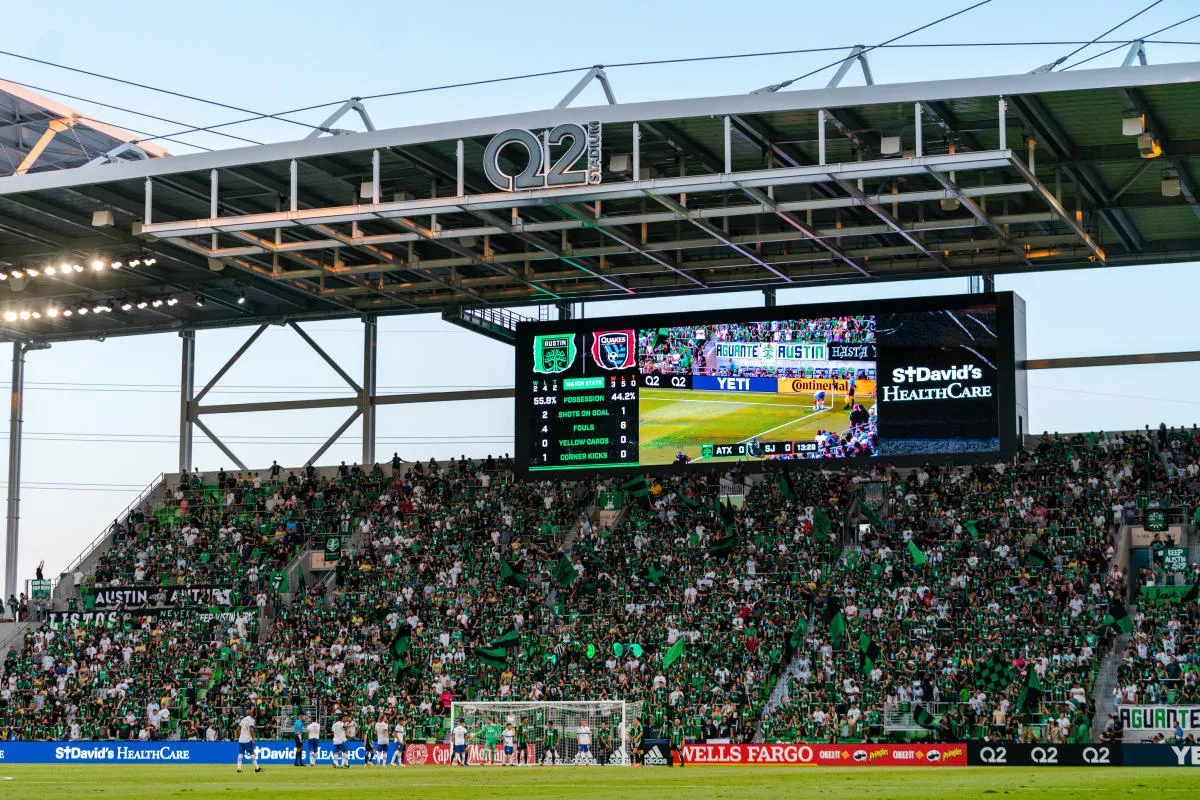 Photo: Austin FC, via assets.simpleviewinc.com
 Photo: LA Galaxy, via wallpapers.com
The shift represents a fundamental change in how American clubs view player development. Instead of expecting immediate adaptation, they're investing in the infrastructure to facilitate it.
The Performance Anxiety Spiral
When high-profile signings struggle early, they often enter what psychologists call the "performance anxiety spiral." Each poor performance increases pressure, which decreases confidence, which leads to more poor performances.
This cycle is particularly vicious in MLS, where social media scrutiny is intense and unforgiving. A missed penalty or defensive error can generate thousands of negative comments within minutes, creating a feedback loop that can destroy a player's confidence.
Clubs that recognize this pattern early and intervene with professional support see dramatically different outcomes. Players who might have been labeled "flops" in previous eras are now salvaging their careers through targeted psychological intervention.
The American Expectation Machine
What makes MLS unique is the intersection of American sports culture with global soccer talent. In American sports, athletes are expected to be personalities as much as performers. They must engage with media, connect with communities, and represent franchises in ways that many international players find overwhelming.
This cultural expectation extends beyond the field. Players are expected to understand local references, engage with American humor, and navigate a sports media landscape that operates differently from anywhere else in the world.
For players accustomed to more insular soccer cultures, this can feel like performing a role they never auditioned for. The psychological adjustment is as significant as any tactical change.
The Long-Term Investment Strategy
Forward-thinking MLS clubs are beginning to view psychological support not as a luxury but as a necessary protection of their investment. When a club pays $15 million for a player, spending an additional $200,000 annually on comprehensive mental health support represents sound financial planning.
This approach is paying dividends. Clubs with robust support systems report higher player satisfaction, better performance metrics, and fewer early contract terminations.
The investment also creates a competitive advantage in future transfer negotiations. Players and agents are beginning to inquire about psychological support infrastructure when evaluating potential destinations.
Redefining Transfer Success
As MLS matures, the definition of transfer success is evolving. Rather than measuring only goals, assists, and wins, clubs are tracking adaptation metrics: player satisfaction surveys, community integration assessments, and long-term psychological well-being indicators.
This holistic approach recognizes that a player's success extends beyond statistics. A psychologically healthy player who adapts well to American culture becomes an ambassador for the club and the league, potentially influencing future transfer decisions by other international stars.
The Ripple Effect
The psychological dimension of transfers creates ripple effects throughout MLS. Players who successfully navigate the identity transition become mentors for future signings, creating institutional knowledge that compounds over time.
Conversely, high-profile psychological failures can damage a club's reputation in international markets, making future recruitment more difficult and expensive.
Recognizing this reality, MLS clubs are investing in comprehensive support systems that address not just the player, but their families, their cultural adjustment, and their long-term psychological well-being.
The era of throwing money at talent and hoping for the best is ending. In its place, a more sophisticated understanding of human psychology is reshaping how American soccer approaches its most important investments: the players themselves.